
Benefits of Regular Septic Tank Pumping for Your Oxford Home
February 2, 2024
The Benefits of Regular Septic Tank Pumping for Your Oxford, MS Home
Maintaining a functional septic system is a crucial responsibility for homeowners in Oxford, MS, where many properties rely on septic tanks for wastewater treatment. One of the most essential aspects of septic system care is regular septic tank pumping. This proactive maintenance task offers numerous benefits for your home and the environment. In this comprehensive guide, we'll explore why regular septic tank pumping is essential for Oxford residents and how Oxford Septic Service can assist you in this important endeavor.
Understanding Your Septic System
Before we dive into the benefits of septic tank pumping, let's review how your septic system functions. In a typical septic system, wastewater from your home flows into a septic tank buried underground. Inside the tank, solids settle at the bottom, forming a layer of sludge, while lighter materials like grease float to the top, creating scum. The remaining liquid effluent exits the tank and enters the drain field, where it undergoes further treatment in the soil.
Why Regular Septic Tank Pumping Matters
Prevents Tank Overflows: Over time, solid waste accumulates in your septic tank, reducing its capacity to hold wastewater. Without regular pumping, your tank can become overloaded, leading to backups, overflows, and costly clean-up operations.
Maintains System Efficiency: Pumping out the accumulated sludge and scum ensures that your septic tank operates at its intended capacity. This prevents clogs in the drain field and keeps your entire system running efficiently.
Extends System Lifespan: Regular maintenance, including septic tank pumping, can significantly prolong the lifespan of your septic system. Replacing a failed septic system is a substantial financial burden that can be avoided with proper care.
Prevents Environmental Contamination: When a septic tank overflows or leaks, it can release untreated wastewater into the environment, contaminating groundwater and nearby surface water. Pumping your tank helps prevent environmental harm.
Protects Property Value: A well-maintained septic system adds value to your property. When it's time to sell your home, having a documented history of regular septic tank pumping demonstrates responsible homeownership.
Saves Money: Regular septic tank pumping is a cost-effective preventive measure. It's far less expensive than dealing with emergency repairs, clean-ups, or replacing a failed septic system.
How Often Should You Pump Your Septic Tank?
The frequency of septic tank pumping depends on several factors, including tank size, household size, water usage, and the volume of solids introduced into the system. In general, it's recommended to pump your septic tank every 3 to 5 years. However, it's essential to consult with professionals like Oxford Septic Service for a personalized maintenance schedule tailored to your specific circumstances.
Why Choose Oxford Septic Service
Oxford Septic Service is your trusted partner in septic system maintenance. Here's why Oxford residents turn to us:
Experience: With years of experience in the industry, our technicians have encountered a wide range of septic system issues. We bring this expertise to every job, ensuring thorough and reliable service.
State-of-the-Art Equipment: We invest in the latest equipment and technology to provide efficient and effective septic tank pumping. Our equipment allows us to complete the job quickly and with minimal disruption to your property.
Environmental Responsibility: At Oxford Septic Service, we prioritize responsible waste disposal. We adhere to all environmental regulations and guidelines, ensuring that waste is disposed of properly and safely.
Preventive Maintenance: Beyond septic tank pumping, we offer comprehensive septic system inspections and maintenance. Our goal is to help you avoid problems before they become costly emergencies.
Professionalism: We take pride in our professionalism, from our prompt arrival to our courteous technicians. We treat your property with respect and ensure a hassle-free experience.
Conclusion
Regular septic tank pumping is a fundamental aspect of septic system maintenance for Oxford, MS homeowners. It offers numerous benefits, from preventing overflows and environmental contamination to saving you money in the long run. By partnering with Oxford Septic Service, you can ensure that your septic system receives the care it deserves. Contact us today to schedule your septic tank pumping and enjoy the peace of mind that comes with a healthy and well-maintained septic system.
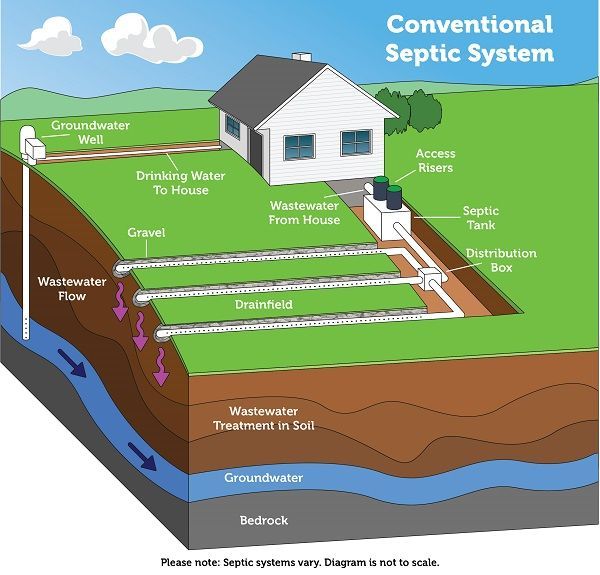
Selecting the right septic system for your property is crucial for ensuring effective wastewater treatment and system longevity. With various types of septic systems available, choosing the best fit for your needs can be challenging. In this guide, Oxford Septic Services provides expert advice on how to select the right septic system, considering factors such as soil conditions, property size, and local regulations. 1. Understanding Different Types of Septic Systems Overview: There are several types of septic systems, each designed to address specific needs and site conditions. The most common types include: Conventional Septic Systems: These systems consist of a septic tank and a drain field. They are suitable for properties with well-drained soil and adequate space. Alternative Systems: These systems are designed for areas with poor soil conditions or limited space. They include systems like mound systems, sand filters, and aerobic treatment units. Chamber Systems: These systems use plastic chambers to create a larger area for wastewater dispersal, making them suitable for sites with limited space. Tip: Consult with a septic system professional to determine which type of system is best suited for your property based on soil conditions, space, and local regulations. 2. Evaluating Soil Conditions: The Foundation for Your Septic System Overview: Soil conditions play a significant role in the performance of your septic system. Soil type, drainage capacity, and groundwater levels must be evaluated to ensure proper system function. Tip: Conduct a soil percolation test to assess the drainage capabilities of your soil. This test helps determine how quickly water is absorbed, which is crucial for selecting the appropriate septic system. 3. Considering Property Size and Layout Overview: The size and layout of your property influence the type of septic system you can install. Larger properties with ample space may accommodate conventional systems, while smaller or irregularly shaped properties might require alternative systems. Tip: Consider the placement of the septic tank and drain field in relation to your home, water sources, and other structures. Ensure that there is enough space for the system components and maintenance access. 4. Complying with Local Regulations and Permits Overview: Local regulations and permit requirements vary by region and can impact the type of septic system you are allowed to install. It's essential to understand these regulations to ensure compliance. Tip: Check with your local health department or environmental agency to obtain information on septic system regulations and permit requirements. Work with a professional to ensure that your system design meets all local standards. 5. Assessing System Capacity: Matching Needs with Performance Overview: The capacity of your septic system must match the needs of your household or business. Factors such as the number of occupants, water usage, and waste production influence system capacity requirements. Tip: Estimate your daily wastewater flow and load to determine the appropriate system size. A professional can help you calculate the required capacity based on your specific needs. 6. Choosing the Right Components: Tank and Drain Field Overview: The septic tank and drain field are critical components of your system. Selecting high-quality components ensures durability and efficient operation. Tip: Choose a septic tank made of durable materials such as concrete or fiberglass. Ensure that the drain field design includes adequate spacing and proper filtration to handle wastewater effectively. 7. Considering Maintenance and Operational Costs Overview: Different septic systems have varying maintenance and operational costs. It's essential to factor these costs into your decision-making process. Tip: Research the maintenance requirements and costs associated with different system types. Consider factors such as pumping frequency, component replacement, and energy consumption. 8. Evaluating System Longevity and Reliability Overview: The longevity and reliability of your septic system are important considerations for long-term performance. Systems with a proven track record of durability and minimal maintenance requirements are ideal. Tip: Look for systems with positive reviews and endorsements from professionals. Choose reputable manufacturers and installers with experience in your area. 9. Exploring Innovative Technologies: Advances in Septic Systems Overview: Advances in septic system technology offer improved performance and efficiency. Innovations such as aerobic treatment units and advanced filtration systems can enhance wastewater treatment. Tip: Explore the latest technologies and consider how they might benefit your property. Consult with a professional to determine if an advanced system is suitable for your needs. 10. Working with a Professional: Expert Guidance for Installation Overview: Installing a septic system requires expertise and attention to detail. Working with a qualified professional ensures that your system is designed and installed correctly. Tip: Choose a licensed and experienced septic system installer. Request references and review their track record to ensure that they have the necessary skills and knowledge. Conclusion Choosing the right septic system for your property involves careful consideration of factors such as soil conditions, property size, and local regulations. By following the expert advice from Oxford Septic Services, you can make an informed decision and ensure that your septic system meets your needs effectively. For more information and professional assistance, visit Oxford Septic Services or contact us today.
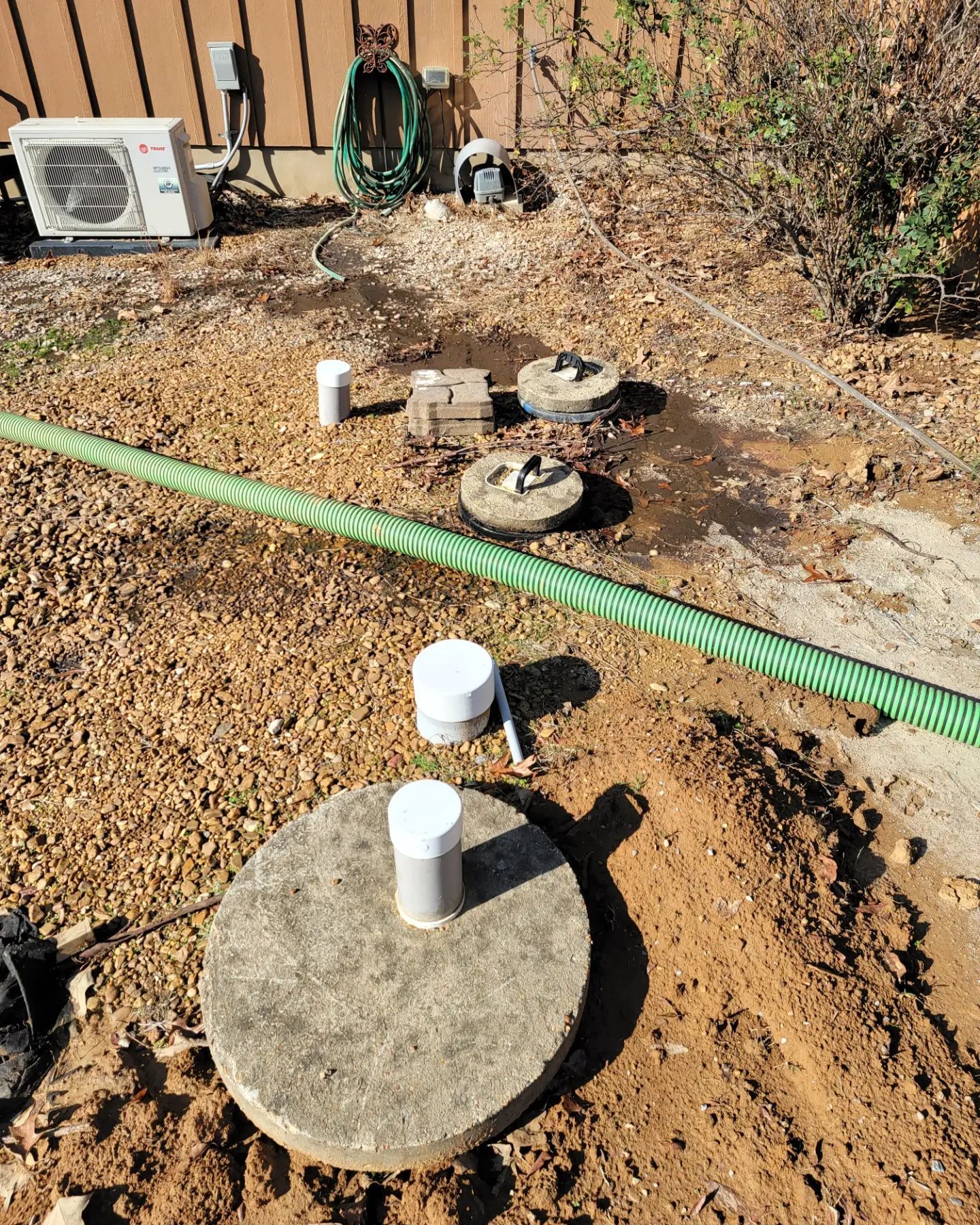
Maintaining a septic system is a vital part of home ownership, ensuring that your wastewater treatment process runs smoothly and efficiently. Proper maintenance can prevent costly repairs and extend the life of your system. In this comprehensive guide, Oxford Septic Services shares expert tips and best practices to help you keep your septic system in optimal condition. 1. Understanding Your Septic System Overview: To effectively maintain your septic system, it's essential to understand its basic components and how they function. A septic system typically includes a septic tank and a drain field (or leach field). Wastewater flows from your home into the septic tank, where solids settle at the bottom, and the liquid effluent is directed to the drain field for further treatment. Tip: Familiarize yourself with the layout and capacity of your septic system. Knowing the location of the tank and drain field helps in monitoring and maintaining the system properly. 2. Routine Inspections: A Must-Do for System Health Overview: Regular inspections are crucial for detecting potential issues before they become major problems. A professional inspection can reveal signs of wear and tear, potential clogs, and other issues that may affect system performance. Tip: Schedule a septic system inspection at least once every 1-3 years. During the inspection, a technician will evaluate the system's condition, check for leaks or clogs, and ensure everything is functioning correctly. 3. Pumping Your Septic Tank: Why and When Overview: Over time, solids and sludge accumulate in the septic tank. If not removed, these materials can overflow into the drain field, leading to system backups and failures. Regular pumping is necessary to prevent these issues. Tip: Plan to pump your septic tank every 3-5 years, depending on factors such as household size and water usage. If you have a larger household or frequently use your system, you may need more frequent pumping. 4. Water Conservation: Reduce the Load on Your System Overview: Excessive water usage can strain your septic system, leading to backups and failures. Conserving water helps reduce the load on the system and extends its lifespan. Tip: Implement water-saving practices such as fixing leaks, installing low-flow fixtures, and spreading out laundry and dishwashing loads. Reducing water usage helps prevent overloading your septic system. 5. Proper Waste Disposal: Protecting Your System Overview: Flushing non-biodegradable items, chemicals, or excessive amounts of toilet paper can disrupt the natural processes in your septic system. These materials can clog pipes and harm bacteria in the tank. Tip: Only flush human waste and toilet paper. Avoid flushing wipes, sanitary products, and other non-flushable items. Use a trash can for items that shouldn’t be flushed. 6. Protecting Your Drain Field: What to Avoid Overview: The drain field is a critical component of your septic system, responsible for dispersing treated wastewater into the soil. Damage to the drain field can lead to system failures and environmental contamination. Tip: Keep the area around your drain field clear of heavy objects and avoid parking vehicles or driving over it. Additionally, avoid planting trees or shrubs near the drain field, as their roots can damage the system. 7. Avoiding Chemical Additives: Stick to Natural Processes Overview: Some homeowners use chemical additives to improve system performance or address problems. However, these chemicals can disrupt the natural balance of bacteria in the septic tank. Tip: Rely on regular maintenance and avoid using chemical additives. If you have concerns about your system, consult with a professional for advice and solutions. 8. Monitoring for Warning Signs: Early Detection is Key Overview: Paying attention to warning signs can help you identify potential issues with your septic system early. Common signs of trouble include slow drains, unpleasant odors, and pooling water around the drain field. Tip: If you notice any of these symptoms, contact a professional for an inspection and assessment. Addressing issues promptly can prevent more severe problems and costly repairs. 9. Educating Your Household: Share Knowledge Overview: Ensuring that everyone in your household understands how to use and maintain the septic system is crucial for preventing misuse and reducing the risk of system issues. Tip: Inform your family members about what can and cannot be flushed down the toilet, the importance of water conservation, and regular maintenance practices. Educated users are less likely to inadvertently cause problems with the septic system. 10. Keeping Records: Track Maintenance and Repairs Overview: Maintaining detailed records of your septic system's maintenance and inspections can help you track its health and plan for future care. Records also provide valuable information for technicians. Tip: Keep a log of all maintenance activities, including inspections, pumpings, and repairs. Store receipts, reports, and notes in a safe place for easy reference. Conclusion Proper septic system maintenance is essential for ensuring its long-term performance and avoiding costly repairs. By following these expert tips and best practices from Oxford Septic Services, you can keep your septic system in excellent condition and protect your investment. For more information and professional assistance, visit Oxford Septic Services or contact us today.