
Comprehensive Guide to Superior Septic System Service in Water Valley, MS | Oxford Septic

April 25, 2024

The Importance of Regular Septic System Maintenance: Avoiding Costly Repairs in Water Valley, MS

Water Valley, Mississippi, is a picturesque community where residents are intimately familiar with the obligations that accompany Septic System Service Water Valley, MS. Consistent operation and preventative measures against expensive repairs are attributes of septic systems, in contrast to municipal wastewater systems. The importance of routine septic system maintenance, including septic tank installation, cleansing, and Septic Tank Pumping Water Valley, MS, is discussed in this blog.


Septic Systems are Underground Structures:


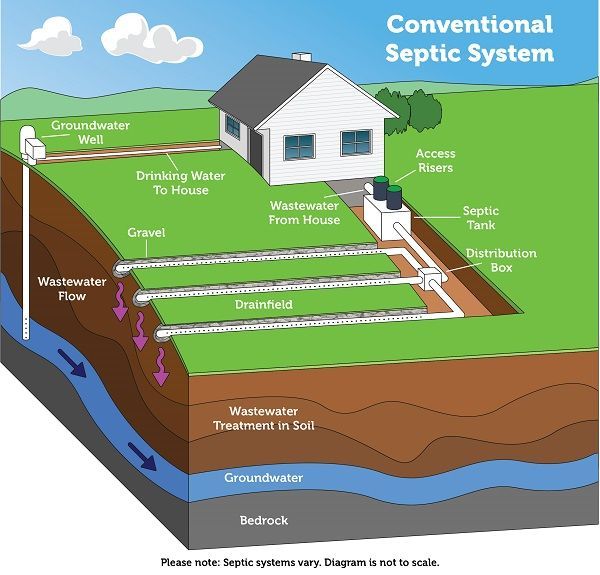
Common in rural regions devoid of centralized sewer networks, septic systems are underground structures designed to cleanse wastewater. Drainage or soil absorption fields and a septic tank are included. On-site disposal and treatment of domestic effluent is the purpose of the system. Recognizing the significance of routine maintenance calls for an initial comprehension of the components and operation of your septic system.


Water Tight Containers:


Septic tanks are impermeable fiberglass, plastic, or concrete casings. The wastewater treatment facility that receives the entire household's wastewater separates solids into sludge and lipids, oils, and grease into scum. Effluent leaves the tank and enters the drain field.


Few Important Aspects:


Leach fields, or subsurface drain fields, carry septic tank effluent. Soil removes nutrients, harmful bacteria, and viruses from wastewater before it reaches groundwater.


Important Regular Septic System Care:
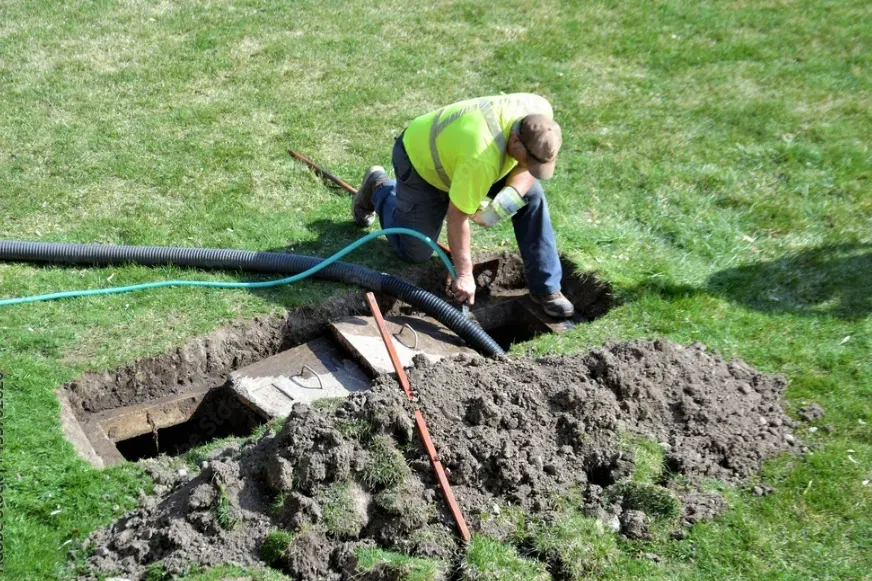
Septic system maintenance

Septic system maintenance should prioritize family, community, and environmental health over compliance with rules. Routine septic system maintenance is crucial for these reasons:


Preventing Environmental Risks:


Untreated sewage from a poorly managed septic system can pollute nearby waterways, groundwater, and drinkable water. Preventing environmental risks requires regular upkeep.


Make your Tanks Mor Hygienic:


Untreated wastewater can hold onto infection, causing bacteria and viruses. Assuming the septic framework falls flat, these toxic substances could spill into water or surfaces, jeopardizing people and creatures.


Affordable Repair Service:


Septic system damage and expensive repairs can be avoided with routine maintenance, including draining and inspections. Routine draining and inspections are considerably more cost-effective than the costly replacement of a malfunctioning septic system, which frequently exceeds tens of thousands of dollars.


Rising System Life:


Septic system longevity is increased through routine maintenance. Preventive replacement expenses can be averted by performing routine maintenance, pumping, and restorations, which, in turn, can prolong the system's operational life.


Water Valley Septic System:


Septic system maintenance services are available to Water Valley, MS, residents in order to maintain the optimal performance of their systems. Consisting of the following services:


Installing A Septic Tank:


Septic Tank Installation Water Valley, MS, professionally is essential whether you are constructing a new home or replacing an older system. Strict adherence to local regulations and the unique requirements of your property are maintained during the design and installation processes by professionals.


Cleaning and Pumping: Must Important Part


In order to avert system failure caused by sludge and scum clogging, routine septic tank cleansing and pumping are essential preventative maintenance. Pumping a septic tank every three to five years is the norm, although this can differ depending on the size and utilization of the household.


Maintenance On Routine:


Comprehensive services, including routine maintenance, emergency repairs, and system inspections, are provided by full-service septic system providers in Water Valley. These services guarantee compliance with local health regulations and optimal operation of your septic system.


Conclusion:


Opaque residents of Water Valley, MS, can rely on Oxford Septic Service to provide dependable and professional septic system maintenance. This practice not only complies with regulatory requirements but also protects the environment, ensures the health of your family, and prevents expensive repairs, thereby saving you money. Oxford Septic Service is the authority on septic systems, whether it be installation or routine maintenance. We guarantee that your system remains in pristine condition throughout the year by providing these services. Always keep in mind that maintaining your septic system is an environmental and residential responsibility.
February 4, 2026
The Essential Guide to Septic System Maintenance: Tips for Oxford Homeowners Maintaining a septic system is a critical aspect of homeownership that ensures the long-term functionality of your wastewater treatment system. For Oxford homeowners, understanding the fundamentals of septic system maintenance can save you from unexpected repairs, protect your property value, and preserve the environment. This comprehensive guide from Oxford Septic Services provides valuable tips and insights into keeping your septic system in optimal condition. 1. Understanding Your Septic System Before diving into maintenance practices, it’s essential to understand how your septic system works. A typical septic system comprises several key components: Septic Tank: The primary chamber where waste is collected and processed. Solid waste settles at the bottom, forming sludge, while lighter materials like grease float to the top as scum. The liquid waste, or effluent, flows out of the tank and into the drain field. Drain Field: Also known as a leach field, this area consists of perforated pipes buried in trenches filled with gravel or other aggregate. The effluent is distributed through these pipes and filtered by the surrounding soil before it returns to the groundwater. Soil Absorption Area: The soil in the drain field that absorbs and treats the effluent through natural filtration processes. 2. Regular Pumping One of the most critical aspects of septic system maintenance is regular pumping. Over time, solids accumulate in the septic tank, reducing its capacity and efficiency. If not pumped out periodically, these solids can overflow into the drain field, causing clogs and system failures. How Often Should You Pump Your Septic Tank? The frequency of septic tank pumping depends on several factors, including: Household Size: Larger households generate more waste, so tanks may need to be pumped more frequently. Tank Size: Larger tanks can hold more waste and may require less frequent pumping compared to smaller ones. Water Usage: High water usage, such as frequent laundry or dishwashing, can accelerate the accumulation of solids. System Design: Certain designs may necessitate more frequent maintenance. As a general rule, homeowners should plan to have their septic tank pumped every 3 to 5 years. However, it’s best to consult with a professional from Oxford Septic Services to determine the ideal schedule for your specific system. 3. Regular Inspections In addition to pumping, regular inspections are vital for identifying potential issues before they become major problems. During an inspection, a professional will: Check for Leaks: Inspect the tank and pipes for any signs of leaks or damage. Assess System Performance: Evaluate the overall performance of the system, including the function of the drain field and soil absorption area. Measure Sludge Levels: Determine the amount of sludge and scum in the tank to assess whether pumping is needed. Routine inspections help ensure that your septic system operates efficiently and can extend its lifespan by addressing minor issues early. 4. Proper Waste Disposal What you put down your drains and toilets has a significant impact on the health of your septic system. Proper waste disposal practices include: Avoid Flushing Non-Biodegradable Items: Items such as wipes, feminine hygiene products, and paper towels do not break down easily and can cause clogs in the system. Minimize Use of Chemical Drain Cleaners: Harsh chemicals can disrupt the balance of beneficial bacteria in the septic tank, affecting its ability to break down waste. Dispose of Grease Properly: Grease and oil can solidify in the pipes and tank, leading to blockages. Dispose of grease in the trash rather than pouring it down the drain. 5. Water Conservation Conserving water helps reduce the strain on your septic system. Excessive water usage can overload the system, causing it to fail prematurely. Here are some tips for water conservation: Fix Leaks: Repair any leaks in faucets, toilets, and pipes to prevent water wastage. Install Low-Flow Fixtures: Use low-flow toilets, showerheads, and faucets to reduce water consumption. Practice Efficient Laundry and Dishwashing: Run dishwashers and washing machines with full loads and use efficient settings to minimize water usage. 6. Maintaining the Drain Field The drain field is a crucial component of your septic system, and maintaining it is essential for proper wastewater treatment. To protect your drain field: Avoid Parking or Driving on the Drain Field: Heavy vehicles or equipment can compact the soil and damage the drain field pipes. Keep the Area Clear: Ensure that the area above the drain field is free of trees, shrubs, or other vegetation that can interfere with the system. Avoid Excessive Water Runoff: Directing excess water from downspouts or landscaping away from the drain field can prevent over-saturation and system failure. 7. Seasonal Maintenance Different seasons can affect your septic system’s performance. Be proactive with seasonal maintenance by: Winterizing Your System: In cold weather, prevent freezing by keeping the area around the septic tank and drain field insulated and avoiding excessive snow accumulation. Summer Care: During hot weather, be mindful of water usage and avoid overloading the system with heavy rainfall or irrigation. 8. Addressing Common Issues Here are some common septic system issues and how to address them: Slow Drains: Slow or backed-up drains may indicate a problem with the septic system. Consider scheduling an inspection to identify and resolve the issue. Foul Odors: Unpleasant smells around the septic system could be a sign of a problem. Check for leaks or clogs and consult with a professional if the issue persists. Standing Water: Standing water near the drain field could indicate a failure in the system. This may require immediate attention from a septic service provider. 9. Choosing the Right Septic Service Provider When selecting a septic service provider, consider the following factors: Experience and Expertise: Choose a company with experience in septic system maintenance and repairs. Oxford Septic Services has a proven track record of providing high-quality service. Reputation: Look for reviews and recommendations from other homeowners to ensure the provider has a good reputation. Certification and Licensing: Ensure that the company is properly licensed and certified to perform septic system work in your area. 10. The Role of Oxford Septic Services Oxford Septic Services is committed to helping Oxford homeowners maintain their septic systems effectively. With a range of services including inspection, pumping, and repairs, our team ensures that your system operates efficiently and reliably. Contact us today to schedule an appointment or learn more about how we can assist you. Conclusion Maintaining a septic system is essential for ensuring its longevity, protecting your property, and safeguarding the environment. By following these tips and staying proactive with regular maintenance, you can keep your septic system in top shape and avoid costly repairs. For expert assistance and reliable septic services, trust Oxford Septic Services to provide the support you need.
January 21, 2026
Emergencies can strike at any time, and being prepared is essential for protecting your property and ensuring the safety of your family. While many homeowners focus on preparing for natural disasters like hurricanes or floods, it's also crucial to have a plan in place for septic system emergencies. In this guide, Oxford Septic Services offers valuable insights and practical tips for emergency preparedness to help septic system owners navigate unexpected challenges effectively. Chapter 1: Understanding Septic System Emergencies We'll start by discussing common septic system emergencies, such as backups, leaks, and drain field failures. Understanding the potential risks and consequences of these emergencies will underscore the importance of being prepared. Chapter 2: Developing an Emergency Plan A well-thought-out emergency plan is essential for responding quickly and effectively to septic system emergencies. We'll provide step-by-step guidance for creating an emergency plan tailored to your property, including identifying emergency contacts, assembling emergency supplies, and establishing evacuation procedures if necessary. Chapter 3: Recognizing Signs of Trouble Early detection of septic system issues is crucial for preventing emergencies. We'll discuss common warning signs that indicate potential problems with your septic system, such as foul odors, slow drains, and soggy or lush areas in your yard. Knowing how to recognize these signs will allow you to take prompt action and prevent emergencies from escalating. Chapter 4: Basic Emergency Response Procedures In this chapter, we'll outline basic emergency response procedures for common septic system issues. From simple troubleshooting steps to temporary solutions for mitigating damage, we'll provide practical guidance to help you address emergencies quickly and effectively while awaiting professional assistance. Chapter 5: Contacting Professional Help While some septic system emergencies can be handled independently, others require the expertise of a professional septic service provider. We'll discuss when it's appropriate to contact Oxford Septic Services for emergency assistance and what to expect when our team arrives on-site to assess and address the situation. Chapter 6: Preventative Maintenance Strategies Prevention is always better than cure when it comes to septic system emergencies. We'll share proactive maintenance strategies you can implement to reduce the risk of emergencies, such as routine inspections, regular pumping, and proper waste disposal practices. Chapter 7: Staying Informed and Prepared Finally, we'll emphasize the importance of staying informed and prepared for emergencies year-round. We'll provide resources for accessing up-to-date information on septic system maintenance, as well as tips for staying connected during emergencies, such as having a backup power source and maintaining communication with neighbors. Conclusion: Septic system emergencies can be stressful and disruptive, but with proper preparation and planning, you can minimize their impact on your property and family. By following the insights and tips outlined in this guide, provided by Oxford Septic Services, you can feel confident in your ability to respond effectively to septic system emergencies and protect the health and integrity of your septic system for years to come.
More Posts