
The Role of Oxford Septic Services in Keeping Your Septic System Healthy
March 5, 2025
Owning a septic system comes with responsibilities, including regular maintenance and occasional repairs. However, with the expertise and assistance of Oxford Septic Services, homeowners can ensure the health and longevity of their septic systems. In this comprehensive guide, we'll explore the vital role that Oxford Septic Services plays in keeping your septic system healthy and functional.
Chapter 1: Understanding the Importance of Septic System Health
Explanation of why maintaining a healthy septic system is essential for homeowners, including preventing backups, protecting property value, and safeguarding the environment.
Overview of the components of a septic system and how they work together to treat and dispose of wastewater from your home.
Discussion of the consequences of neglecting septic system maintenance, such as sewage backups, foul odors, and environmental contamination.
Chapter 2: Services Offered by Oxford Septic Services
Description of the range of services provided by Oxford Septic Services, including septic tank pumping, inspection, repair, and installation.
Explanation of how Oxford Septic Services uses advanced equipment and techniques to diagnose and address septic system issues effectively.
Testimonials from satisfied customers highlighting the quality and reliability of the services provided by Oxford Septic Services.
Chapter 3: The Importance of Regular Maintenance
Discussion of why regular maintenance is crucial for preserving the health and functionality of a septic system.
Explanation of the various tasks involved in routine septic system maintenance, such as inspecting the tank, checking for leaks, and pumping out accumulated solids.
Tips for homeowners on how to schedule and budget for regular septic system maintenance to avoid costly repairs and emergencies.
Chapter 4: Emergency Septic Services
Overview of the emergency septic services offered by Oxford Septic Services, including 24/7 availability for septic system emergencies.
Description of common septic system emergencies, such as sewage backups, clogged drain lines, and tank overflows, and how Oxford Septic Services responds to them.
Testimonials from homeowners who have relied on Oxford Septic Services during septic system emergencies and experienced prompt and professional assistance.
Conclusion:
Oxford Septic Services plays a vital role in keeping homeowners' septic systems healthy and functional. By providing a range of services, including routine maintenance and emergency repairs, Oxford Septic Services ensures that homeowners can enjoy peace of mind knowing that their septic systems are in good hands. Whether you need routine maintenance or immediate assistance during a septic system emergency, Oxford Septic Services is there to help.

Maintaining a septic system is a vital part of home ownership, ensuring that your wastewater treatment process runs smoothly and efficiently. Proper maintenance can prevent costly repairs and extend the life of your system. In this comprehensive guide, Oxford Septic Services shares expert tips and best practices to help you keep your septic system in optimal condition. 1. Understanding Your Septic System Overview: To effectively maintain your septic system, it's essential to understand its basic components and how they function. A septic system typically includes a septic tank and a drain field (or leach field). Wastewater flows from your home into the septic tank, where solids settle at the bottom, and the liquid effluent is directed to the drain field for further treatment. Tip: Familiarize yourself with the layout and capacity of your septic system. Knowing the location of the tank and drain field helps in monitoring and maintaining the system properly. 2. Routine Inspections: A Must-Do for System Health Overview: Regular inspections are crucial for detecting potential issues before they become major problems. A professional inspection can reveal signs of wear and tear, potential clogs, and other issues that may affect system performance. Tip: Schedule a septic system inspection at least once every 1-3 years. During the inspection, a technician will evaluate the system's condition, check for leaks or clogs, and ensure everything is functioning correctly. 3. Pumping Your Septic Tank: Why and When Overview: Over time, solids and sludge accumulate in the septic tank. If not removed, these materials can overflow into the drain field, leading to system backups and failures. Regular pumping is necessary to prevent these issues. Tip: Plan to pump your septic tank every 3-5 years, depending on factors such as household size and water usage. If you have a larger household or frequently use your system, you may need more frequent pumping. 4. Water Conservation: Reduce the Load on Your System Overview: Excessive water usage can strain your septic system, leading to backups and failures. Conserving water helps reduce the load on the system and extends its lifespan. Tip: Implement water-saving practices such as fixing leaks, installing low-flow fixtures, and spreading out laundry and dishwashing loads. Reducing water usage helps prevent overloading your septic system. 5. Proper Waste Disposal: Protecting Your System Overview: Flushing non-biodegradable items, chemicals, or excessive amounts of toilet paper can disrupt the natural processes in your septic system. These materials can clog pipes and harm bacteria in the tank. Tip: Only flush human waste and toilet paper. Avoid flushing wipes, sanitary products, and other non-flushable items. Use a trash can for items that shouldn’t be flushed. 6. Protecting Your Drain Field: What to Avoid Overview: The drain field is a critical component of your septic system, responsible for dispersing treated wastewater into the soil. Damage to the drain field can lead to system failures and environmental contamination. Tip: Keep the area around your drain field clear of heavy objects and avoid parking vehicles or driving over it. Additionally, avoid planting trees or shrubs near the drain field, as their roots can damage the system. 7. Avoiding Chemical Additives: Stick to Natural Processes Overview: Some homeowners use chemical additives to improve system performance or address problems. However, these chemicals can disrupt the natural balance of bacteria in the septic tank. Tip: Rely on regular maintenance and avoid using chemical additives. If you have concerns about your system, consult with a professional for advice and solutions. 8. Monitoring for Warning Signs: Early Detection is Key Overview: Paying attention to warning signs can help you identify potential issues with your septic system early. Common signs of trouble include slow drains, unpleasant odors, and pooling water around the drain field. Tip: If you notice any of these symptoms, contact a professional for an inspection and assessment. Addressing issues promptly can prevent more severe problems and costly repairs. 9. Educating Your Household: Share Knowledge Overview: Ensuring that everyone in your household understands how to use and maintain the septic system is crucial for preventing misuse and reducing the risk of system issues. Tip: Inform your family members about what can and cannot be flushed down the toilet, the importance of water conservation, and regular maintenance practices. Educated users are less likely to inadvertently cause problems with the septic system. 10. Keeping Records: Track Maintenance and Repairs Overview: Maintaining detailed records of your septic system's maintenance and inspections can help you track its health and plan for future care. Records also provide valuable information for technicians. Tip: Keep a log of all maintenance activities, including inspections, pumpings, and repairs. Store receipts, reports, and notes in a safe place for easy reference. Conclusion Proper septic system maintenance is essential for ensuring its long-term performance and avoiding costly repairs. By following these expert tips and best practices from Oxford Septic Services, you can keep your septic system in excellent condition and protect your investment. For more information and professional assistance, visit Oxford Septic Services or contact us today.
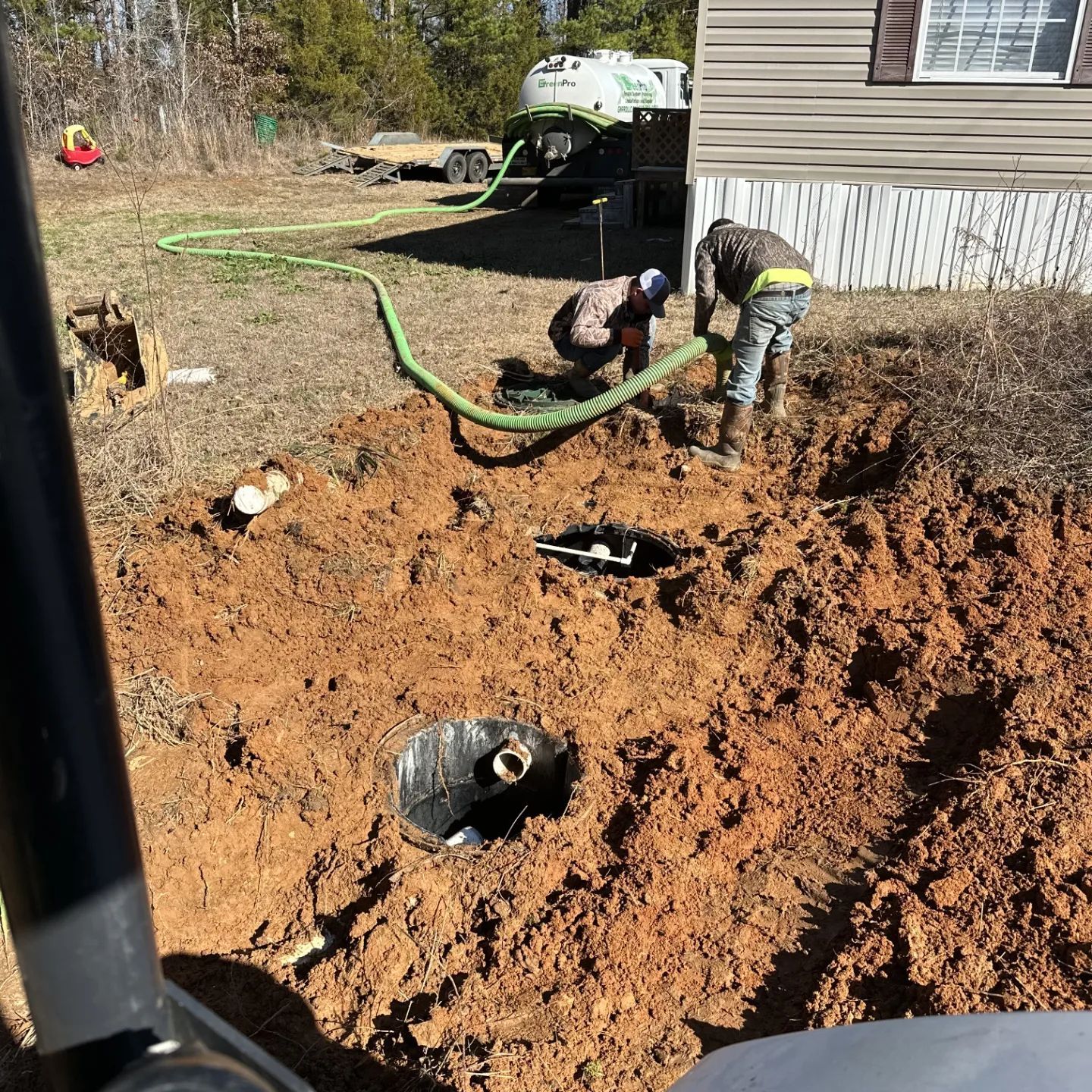
Maintaining a septic system is crucial for its longevity and proper functioning. Proper care can prevent costly repairs and ensure that your system operates efficiently. In this comprehensive guide, Oxford Septic Services shares essential tips to help you keep your septic system in top shape. 1. Understand Your Septic System Fact: Knowing the components and functions of your septic system is the first step in effective maintenance. A typical septic system consists of a septic tank and a drain field. The septic tank holds and breaks down solid waste, while the drain field disperses treated wastewater into the soil. Tip: Familiarize yourself with the layout of your septic system, including the location of the tank and drain field. Understanding how your system works will help you identify and address potential issues more effectively. 2. Schedule Regular Inspections Fact: Regular inspections are essential for identifying potential problems before they become major issues. Inspections help ensure that your system is functioning correctly and can extend its lifespan. Tip: Arrange for a professional inspection of your septic system at least once every 1-3 years. During the inspection, a technician will check for signs of wear and tear, inspect the tank and drain field, and assess the overall condition of the system. 3. Pump Your Septic Tank Regularly Fact: Over time, solids and sludge accumulate in the septic tank. If not removed, these materials can overflow into the drain field, leading to system backups and failures. Regular pumping is necessary to remove these accumulations and maintain system efficiency. Tip: Pump your septic tank every 3-5 years, or more frequently if you have a large household or use your system heavily. Consult with a professional to determine the appropriate pumping schedule for your specific needs. 4. Be Cautious About What You Flush Fact: Flushing non-biodegradable items, chemicals, or excessive amounts of toilet paper can disrupt the natural processes in your septic system. These materials can clog pipes, harm bacteria in the tank, and lead to system failures. Tip: Only flush human waste and toilet paper. Avoid flushing wipes, sanitary products, and other items that can obstruct the system. Use a trash can for non-flushable items to protect your septic system. 5. Conserve Water Fact: Excessive water usage can overload your septic system, leading to system backups and failures. Conserving water helps prevent overloading and extends the lifespan of your system. Tip: Implement water-saving practices, such as fixing leaks, using water-efficient fixtures, and spreading out laundry and dishwashing loads. Reduce water usage in your household to lessen the strain on your septic system. 6. Protect the Drain Field Fact: The drain field is a critical component of your septic system, responsible for dispersing treated wastewater into the soil. Damage to the drain field can lead to system failures and environmental contamination. Tip: Avoid planting trees or shrubs near the drain field, as their roots can damage the system. Keep the area around the drain field clear of heavy objects and avoid parking vehicles or driving over it. 7. Avoid Chemical Additives Fact: Some homeowners use chemical additives in an attempt to improve system performance or solve problems. However, these chemicals can disrupt the natural balance of bacteria in the tank, potentially causing more harm than good. Tip: Rely on proper maintenance practices and avoid using chemical additives. If you have concerns about your system’s performance, consult with a professional for advice and solutions. 8. Monitor for Warning Signs Fact: Paying attention to warning signs can help you identify potential issues with your septic system early. Common signs of trouble include slow drains, unpleasant odors, and pooling water around the drain field. Tip: If you notice any of these symptoms, contact a professional for an inspection and assessment. Addressing issues promptly can prevent more serious problems and costly repairs. 9. Educate Your Household Fact: Everyone in your household should be aware of how to properly use and maintain the septic system. Education can help prevent misuse and reduce the risk of system issues. Tip: Inform your family members about what can and cannot be flushed down the toilet, water conservation practices, and the importance of regular maintenance. Educated users are less likely to inadvertently cause problems with the septic system. 10. Keep Records of Maintenance Fact: Keeping detailed records of maintenance and inspections can help you track the health of your septic system and plan for future care. Records provide valuable information for technicians and can assist in identifying patterns or recurring issues. Tip: Maintain a log of all maintenance activities, including inspections, pumpings, and repairs. Store receipts, reports, and notes in a safe place for easy reference. Conclusion Maintaining your septic system requires regular care and attention to ensure its proper functioning and longevity. By following these essential tips from Oxford Septic Services, you can keep your septic system in top shape, avoid costly repairs, and protect your investment.